
Orchestrate Every Aisle, Without Writing Code
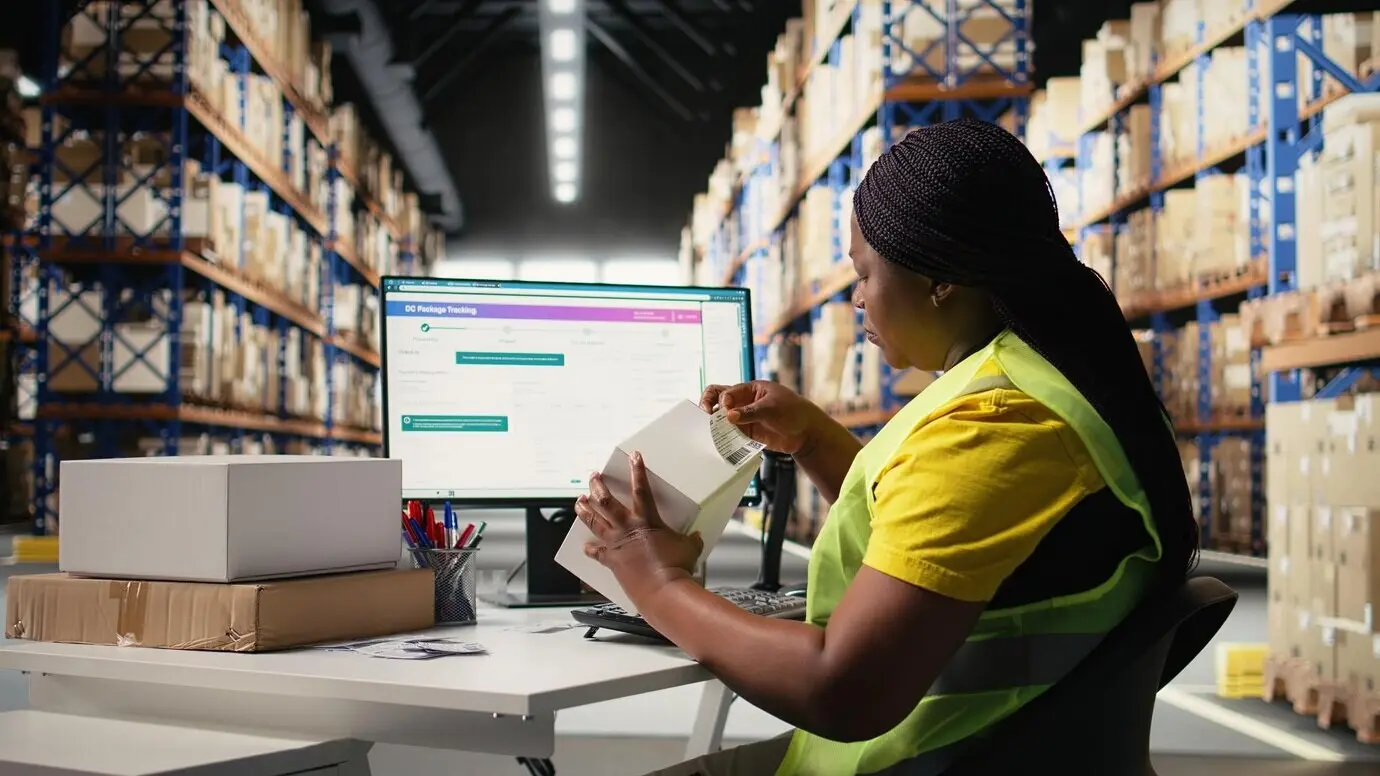
Today we dive into No-Code Multi-Warehouse Space and Location Management, exploring how visual tools map locations, optimize slotting, and harmonize operations across many facilities. Discover how teams design hierarchies, enforce safety rules, and drive utilization gains without scripts, while keeping data consistent and teams aligned. Expect practical insights, lived anecdotes, and ready-to-try ideas you can adapt this week, plus invitations to share your wins, questions, and lessons learned for everyone’s benefit.

From Disarray to Harmony Across Sites

Operating several facilities can feel like juggling forklifts in a storm: shifting priorities, different layouts, and conflicting rules. A practical approach turns the chaos into clarity by using visual configuration to standardize the essentials while honoring local variations. You retain flexibility, add guardrails, and reduce firefighting. Along the way, you gain shared language, reliable metrics, and faster onboarding, so every site contributes to network performance instead of pulling in separate directions.

Design the Location Model Visually

A strong location model is the backbone of dependable operations. Instead of dense spreadsheets or brittle scripts, use drag-and-drop structures that reflect how people actually navigate the floor. The visual hierarchy becomes a shared artifact for training, planning, and daily decisions. Because it is easy to understand, cross-functional teams can collaborate, propose improvements, and align. A model everyone sees and edits responsibly becomes a trust anchor that guides reliable execution every single shift.

Hierarchies That Fit Your Reality

Represent real-world structure from site to slot: campus, building, zone, aisle, bay, level, and facing. Add docks, staging pads, charge stations, inspection tables, and will-call shelves. Include travel paths and blockers like security cages or one-way corridors. A flexible, visual hierarchy reflects nuanced flow, not an oversimplified drawing. When the model mirrors reality, the workforce operates with confidence, and systems can recommend moves that actually work amid traffic, constraints, and changing demand patterns.

Attributes Drive Smarter Decisions

Attach meaningful attributes to every location and SKU: cubic capacity, weight tolerance, pallet orientation, temperature range, humidity, hazmat class, proximity to replenishment, ergonomic score, and pick frequency. These descriptors unlock automated reasoning without code. Putaway suggestions respect load-bearing limits. Replenishments consider travel time and congestion. Slotting proposals weigh velocity and safety simultaneously. With the right attributes in place, everyday actions naturally align with strategy, reducing exceptions while increasing resilience during surges and promotions.

Slotting, Utilization, and Flow Optimization

Operational Automation Without Code

Routine decisions deserve automation, not yet another meeting. Visual workflows orchestrate replenishment, directed putaway, cycle counts, and quarantine handling. Triggers watch inventory thresholds, expiration dates, and inbound appointments, then assign tasks to the right role at the right time. Because logic is readable, supervisors adapt it as workflows evolve. Automation reduces interruptions, elevates human judgment to exceptions, and creates a calm, predictable rhythm that absorbs surprises while protecting safety and service levels.

Drag-and-Drop Workflows for Daily Rhythm

Compose flows that begin with clear triggers, branch on conditions, and assign mobile-friendly tasks. For example, if a pallet lands in an over-height bay, route a task to maintenance and suggest an alternate putaway. If fast movers hit a minimum, schedule replenishment with travel-optimized sequence. These flows document the best way to work and make it the easy way to work, ensuring consistency across shifts and sites without demanding a single line of custom code.

Validations That Prevent Expensive Mistakes

Use readable rules to stop errors before they cost time or damage product. Block overweight pallets from light-duty levels, reject incompatible chemicals near food, and warn when ambient goods approach freezer boundaries. Add barcode and dimension checks to catch mismatched master data. Each validation leaves a friendly breadcrumb explaining what happened, helping teams learn without blame. The payoff is quieter operations, fewer investigations, and growing trust that the system will flag problems early and clearly.

Notifications and Escalations That Reach People

Alert the right person in the right channel—mobile, email, chat—when capacity thresholds hit or doors back up. If a task goes stale, escalate to a lead with context and suggested actions. Quiet periods remain quiet, but rising risk becomes visible quickly. Clear, timely nudges keep crews focused, promote accountability, and reduce firefighting. Over time, these signals become a shared language that aligns facilities, carriers, and planners without marathon calls or cryptic dashboards nobody checks.

Integrations, Data, and Analytics

Great execution depends on good data. Connect to WMS, ERP, TMS, and sensors using transparent APIs and certified connectors. Standard payloads keep integrations predictable, while webhooks stream updates in near real time. A unified data layer stabilizes reporting and makes cross-site comparisons fair. With trustworthy history, you can spot drift, test hypotheses, and defend investments. Analytics move from static slides to living views that guide layout, labor planning, and capital decisions with confidence.

Change Management, Onboarding, and Real Stories

Tools matter, but adoption determines outcomes. Start with pilots, celebrate early wins, and bring skeptical voices into design sessions. Share concise videos that show a picker’s day improving, not just a dashboard changing. Keep change small, reversible, and well communicated. Support power users who champion improvements at each site. Encourage feedback openly, reply visibly, and keep a backlog of requests transparent, so trust grows with every iteration and momentum spreads from building to building.
Letifemuzaxamoma
Privacy Overview

This website uses cookies so that we can provide you with the best user experience possible. Cookie information is stored in your browser and performs functions such as recognising you when you return to our website and helping our team to understand which sections of the website you find most interesting and useful.